October 30, 2026
AI influencer disclosure rules: what to label and where
What to label when you post an AI character, from platform labels to FTC and EU rules, as of November 2026. General information, not legal advice.
If you post an AI character, you should tell people it is AI. This guide explains the AI influencer disclosure rules we found as of November 2026, in plain words. It is general information, not legal advice.
Rules change and differ by country, so use this as a map and check the platform and regulator pages yourself. We link our sources. Several are law firm or news summaries rather than the official page, and we say so. Pictures show our own original characters. To make one, see how to make a weird AI influencer.
The short answer
Label your AI character every time, even if it looks like a cartoon. A label is cheap. Being accused of tricking people is not. Higgsfield's own creator guide advises building AI disclosure in from the start.

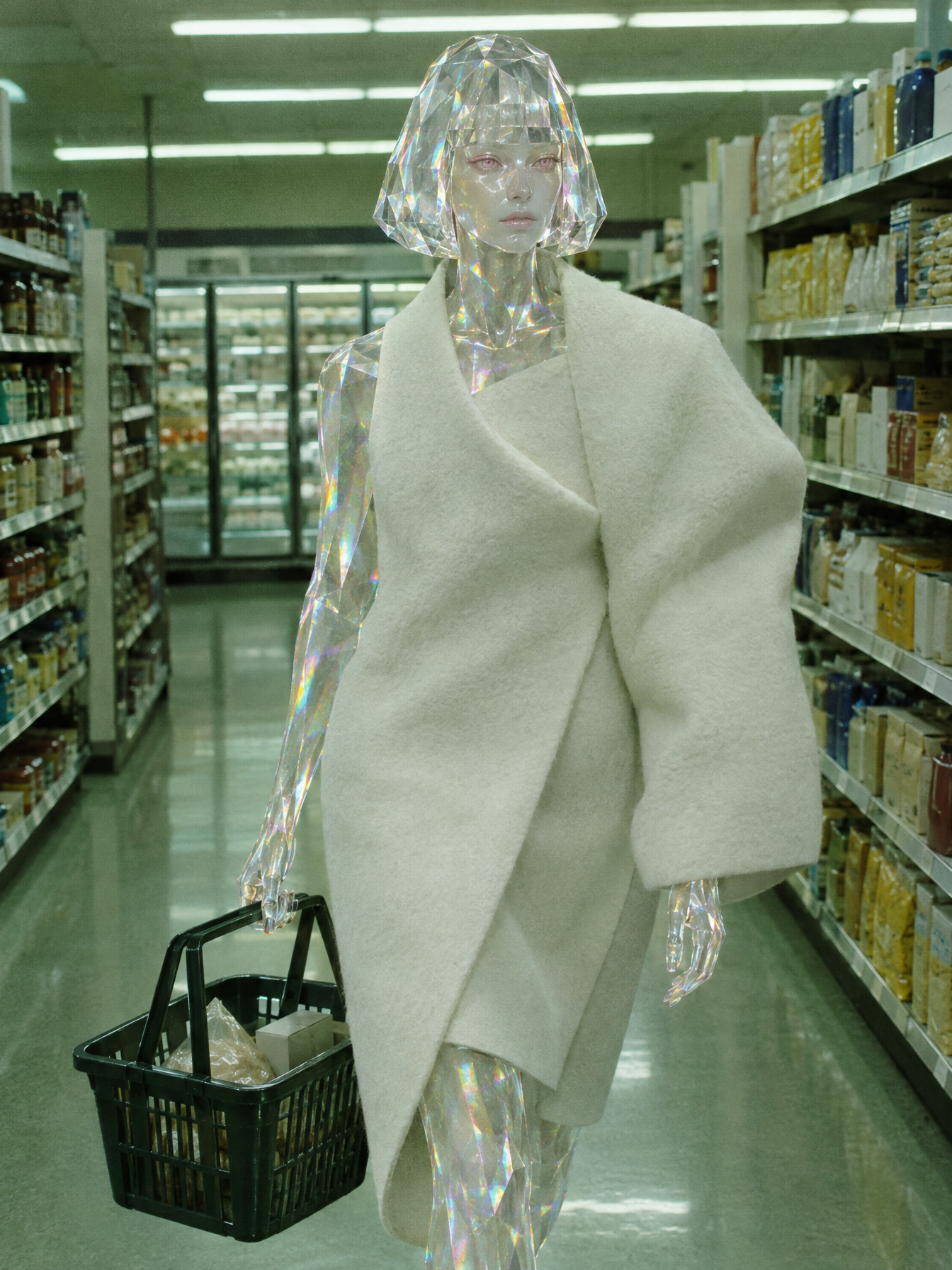
Oriel Vance, an original AI character we made. Made with GPT Image 2.5 Flare.
Two different labels
People mix these up, but they are separate:
- An AI label says a picture or video was made with AI.
- A sponsorship label says you were paid or given something.
If your AI character promotes a product, you may need both.
Platform rules
TikTok, Instagram and YouTube all ask creators to label realistic AI content, according to summaries such as Metricool's guide. These are not the platforms' own policy pages, and details change, so read the current rules in each app.
- Instagram and Facebook. Metricool reports that Meta uses an "AI info" label.
- YouTube. The Next Web reported that YouTube will automatically label significant photorealistic AI content, whether or not creators disclose it.
- TikTok. It also asks for labels, per the same summary. Check the app's settings.
A stylised or cartoon character may fall outside the term "realistic", but we still say label it. A third-party guide to Higgsfield, from Aboveyellow, suggests an honest AI line in your bio and turning on Instagram's AI label (Aboveyellow).
Advertising rules in the United States
The Federal Trade Commission revised its Endorsement Guides in 2023. A law firm, Revision Legal, reports that they cover virtual influencers. The firm says an endorsement from an AI persona is deceptive. It is deceptive if a reasonable consumer could believe it comes from a real person with real experience. Sponsorship must be disclosed separately from the AI label. Do not claim your character tried a product it cannot try.
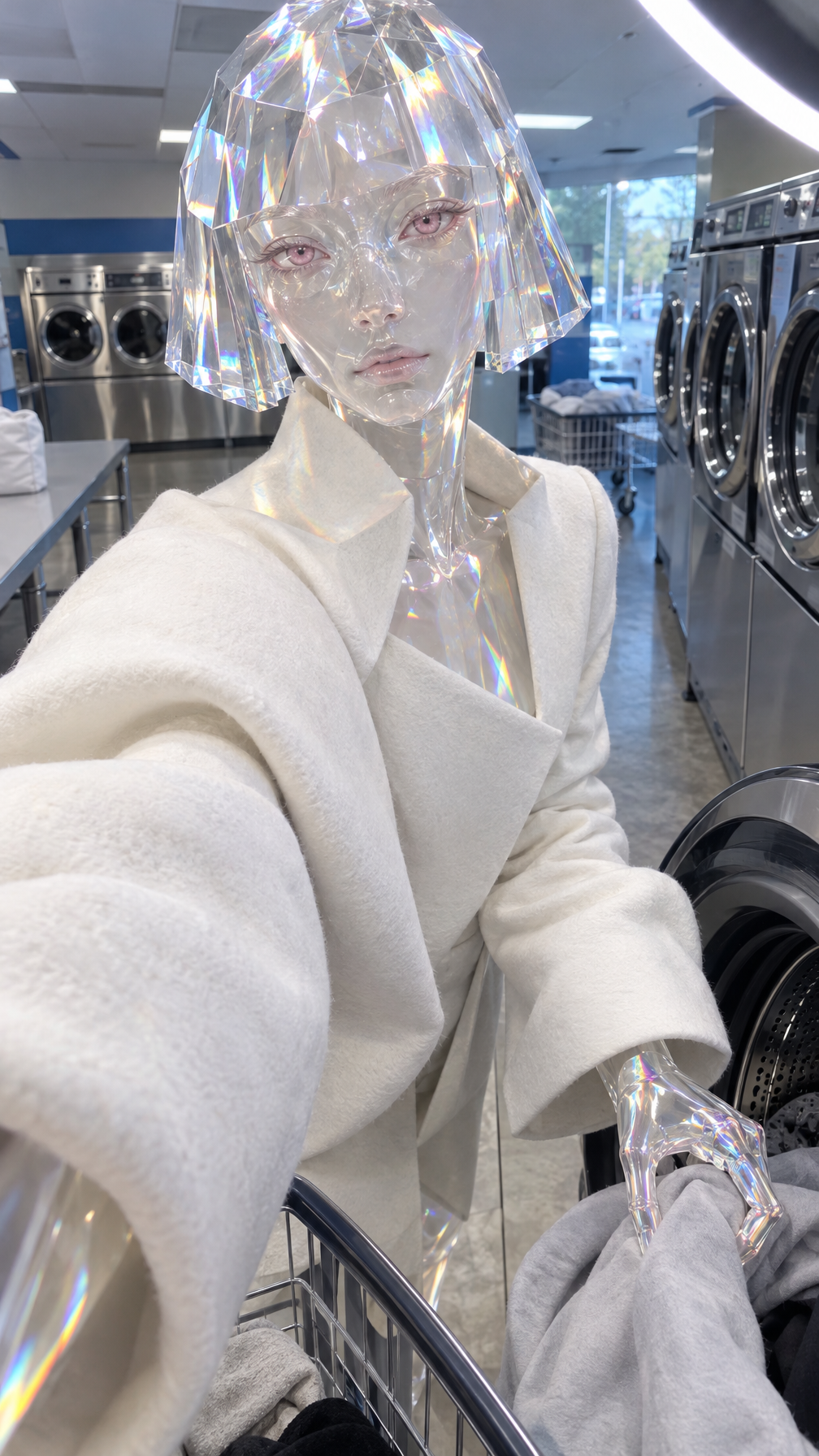
Juno Prism, an original AI character. Made with GPT Image 2.5 Flare.
The European Union
The EU AI Act has a rule, Article 50(4), that people who use AI to make deepfakes must disclose it. A deepfake there means AI content that looks like real people, places or events. A German law firm, SRD Rechtsanwälte, reports that the European Commission published draft guidance on 8 May 2026. Most sources give 2 August 2026 as the date the rule applies. A purely invented character may not count as a deepfake under a narrow reading. We have not checked whether the dates have since changed, so check the Commission's own pages.
Rules that are about people, not tools
- Likeness. Use only your own face, or the face of a person who agreed. This is also Higgsfield's rule.
- Do not copy real people, celebrities or existing characters. Parodies of film characters can be taken down.
- Be careful with crypto. Using a character to promote a coin is a legal and platform risk.
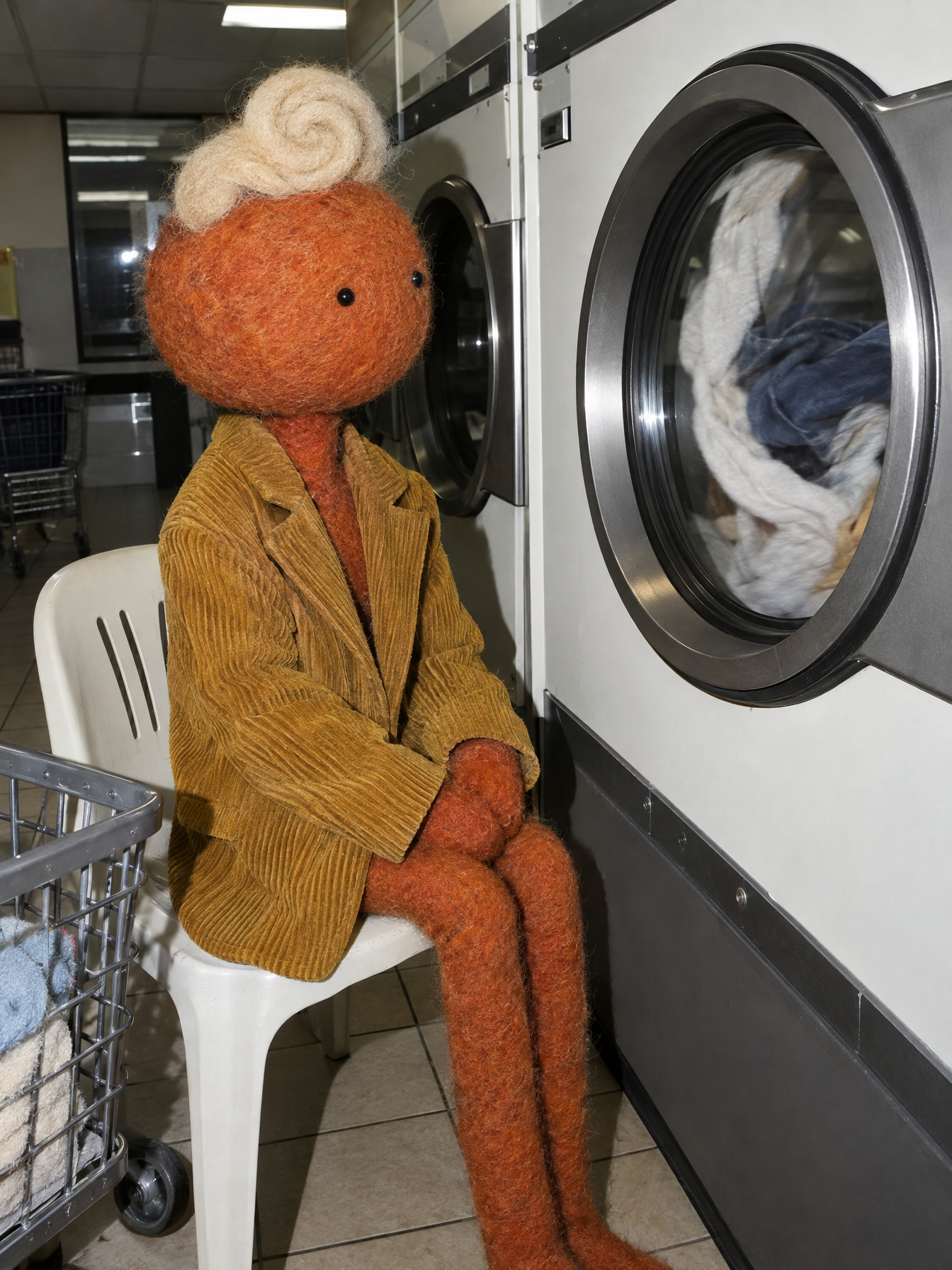
Tobias Fenn, a playful felt puppet we invented, by a laundromat dryer. Made with GPT Image 2.5 Flare.
What to write
Keep the words short and plain. Some examples you can copy:
- Bio: "AI character. Made with genvi."
- Caption: "AI-generated character, not a real person."
- Sponsored post: "AI character. Paid partnership with [brand]."
Put the words where people see them without tapping, not hidden under a long list of tags. A reader who feels tricked may not come back. One observer reported that some viewers could not tell whether a character was real.
If you are unsure whether a rule applies to you, label anyway. It costs nothing, and it keeps your account safe if a platform changes its rules. If your audience reads more than one language, write the label in each one you post in.
A simple checklist
- Put "AI character" in your bio.
- Use the platform's AI label when it has one.
- Add a short line in the caption, like "AI-generated character".
- Add a sponsorship label if you were paid.
- Use only invented faces or your own.
- Keep notes on how each picture was made.
For voices, see AI voices, consent and disclosure. For ownership questions, read can you use AI images commercially. To see why people believe these characters, read why weird AI influencers go viral. For the clip side, see turn an AI character into video, and how to make an AI influencer.
What it costs
Labelling is free. genvi charges credits only for the pictures and clips you make, and the price shows before you run. See the plans page.
FAQ
Do I need to label a cartoon character?
It may not be required in every place, but we recommend it.
Does genvi add a label for me?
No. You download your work and post it yourself, so you add the label.
Is this legal advice?
No. This is general information as of November 2026. Ask a lawyer about your own case.
What if rules change?
They may. Check the platform and regulator pages before you post.