Healthcare & Life Sciences
Make anatomy, mechanism and procedure understandable to the people who need to understand them. Clinical communications, medical affairs and public health teams use genvi for patient materials, mechanism-of-action visuals and campaign imagery.
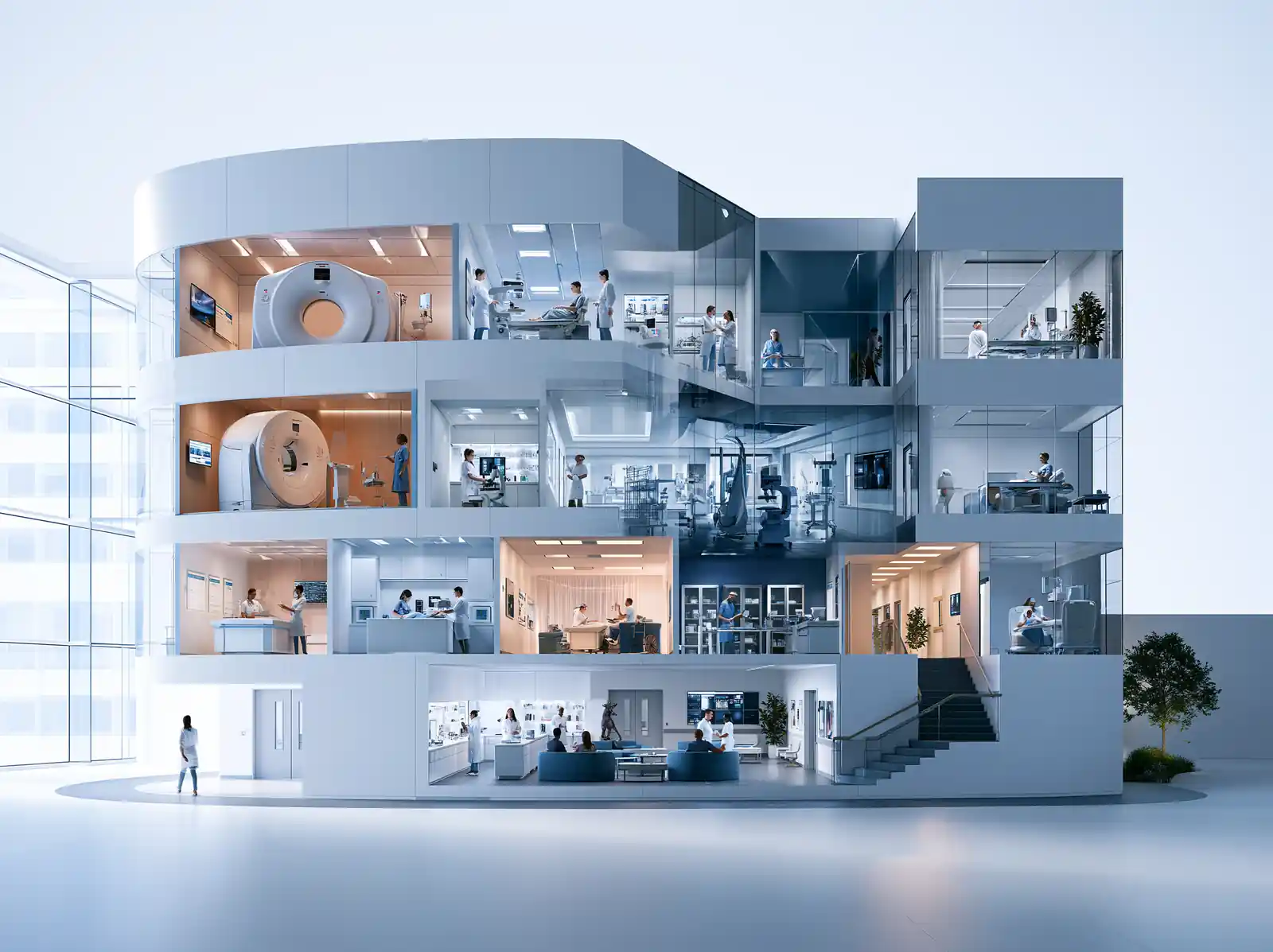
For Clinical communications, Medical affairs, Patient education teams, Public health campaigns and Research groups.
What you’ll make
Patient materials
A procedure explained in pictures a worried person can follow on one read.
Mechanism visuals
How a molecule or a device does its job, pitched at a level the audience can hold onto.
Research presentation
Findings visualised for a conference room rather than for a journal.
Public health campaigns
Messaging that carries across posters, social and clinic screens.
How it works, step by step
Top to bottom, in the order you’d actually do it. Every model named here is one genvi really runs.
- 1Chat Studio
Decide how abstract to go
The same mechanism needs one treatment for a clinician and quite another for a patient. Ask for both, then work out who each asset is really for before you generate a whole set.
Gemini 3.1 Flash LiteGemini 2.5 Flash Image - 2Node Workflows
Hold one visual language
A reference node fixes the palette, the labelling and how stylised things are. A patient pack where every picture looks like it came from a different textbook is harder to trust and harder to follow.
Gemini 2.5 Flash ImageSD 3.5 Large (Fal) - 3Image Composer
Label it and localise it
Callouts, terminology and language variants each on their own layer, so one base illustration serves five translations without being regenerated five times.
- 4Voice & Music
Narrate at the right pace
Patient-facing narration wants a slower read and a calmer voice than a conference talk. Generate both against the same cut instead of compromising on one.
ElevenLabs VoiceGemini TTS - 5Video Composer
Assemble and export
Cut for a waiting room screen or a conference deck, and export whatever aspect that surface actually plays.
Briefs you can steal
5 of them, each with the prompt for the still and the prompt for the film. Every product down here is made up, so go ahead: swap in your own name and material, and the rest of the prompt still does its job.
CarePath
Patient educationpost-surgery recovery education system
Create a calm patient-education scene showing a healthcare professional explaining a recovery timeline using clear visual cards and a simple anatomical model, bright clinic, reassuring expressions, accessible healthcare photography.
Create a two-minute patient education video for CarePath explaining a generic recovery process using plain language, clinician narration, simple diagrams and reassuring visuals. Avoid unsupported medical claims and direct viewers to their clinician for individualized guidance.
Atlas Anatomy
Anatomy visualization3D anatomy learning platform
Create a medically grounded 3D educational visualization of the human respiratory system, showing lungs, bronchi, diaphragm and airflow pathways with clean labels, neutral background, accurate proportions and professional medical illustration style.
Create a two-minute Atlas Anatomy visualization that starts with the human torso, transitions into the respiratory system, demonstrates airflow during breathing and labels major structures. Scientific accuracy, clear narration and precise 3D animation.
MolecuLens
Pharmaceutical mechanismmolecular education platform
Create a scientifically grounded molecular visualization of a fictional therapeutic molecule interacting with a target protein, clean molecular structures, restrained color, laboratory visualization aesthetic, clear separation between scientific representation and visual metaphor.
Create a two-minute educational animation for MolecuLens showing a documented hypothetical mechanism: molecule approach, binding interaction, downstream pathway and physiological concept. Explicitly frame visualizations as educational models, use precise scientific narration and no unsupported clinical claims.
NeuroMap
Research presentationneuroscience research visualization
Create a premium scientific visualization of a fictional neuroscience research study: brain imaging workstation, researchers examining data, clean neural-network visualization, charts and microscopy imagery, realistic laboratory environment.
Create a four-minute research presentation for NeuroMap covering research question, study design, methods, results, limitations and implications. Use animated charts and scientific visualizations only for supplied data, with precise narration and restrained academic music.
BreatheWell
Public health campaigncommunity air-quality awareness campaign
Create a compassionate public-health campaign image showing a family walking through a green urban neighborhood beside an air-quality information display, clear sky, community activity, hopeful documentary photography.
Create a 45-second public-health film for BreatheWell. Follow a family through a normal day while showing how community air quality information can influence planning. Provide factual educational context without fear-based exaggeration, ending with a practical public-information message.
Fancy a different look?
None of this is stuck being photoreal. Each one below is a starting prompt from the style library: the same brief, rendered a completely different way.
Medical VisualizationCommercial Photography
Detailed medical 3D visualization of the human cardiovascular system, transparent anatomical body revealing heart, arteries and veins, scientifically accurate proportions, clean clinical background, sophisticated medical illustration, realistic tissue textures.
MicroscopyCommercial Photography
Highly detailed scientific microscopy visualization of a living biological cell, complex membrane structures, mitochondria and microscopic organisms interacting within the cellular environment, realistic scientific textures, controlled laboratory visualization.
Cross-SectionInformation & Technical Visualization
Detailed scientific cross-section illustration of a human cell, nucleus, mitochondria, ribosomes, endoplasmic reticulum and cell membrane clearly represented as layered structures, scientifically organized colors, educational medical visualization.
InfographicInformation & Technical Visualization
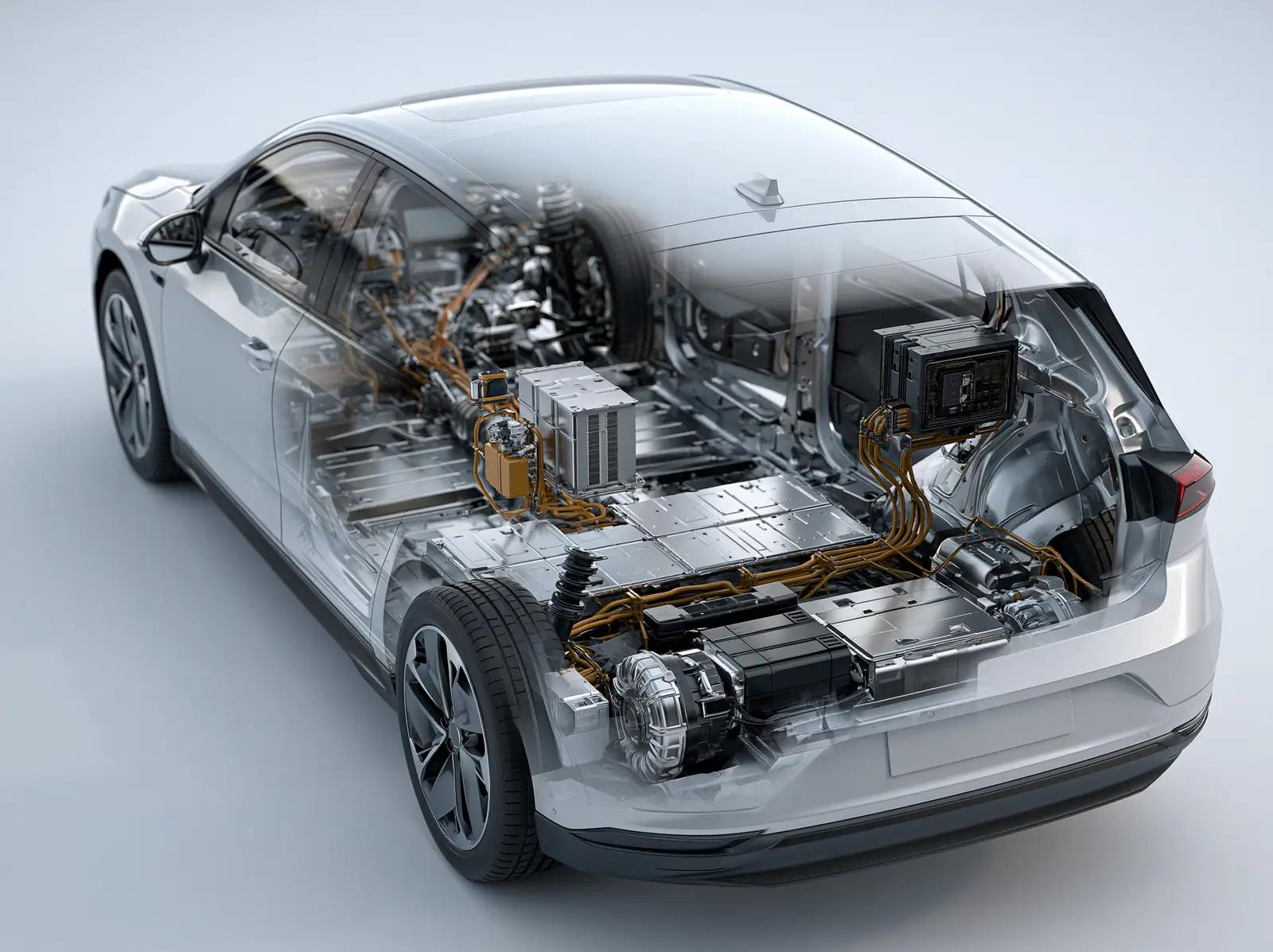
Premium editorial infographic visualizing how a modern electric vehicle works, battery, motor, charging system, regenerative braking and power electronics represented as clean connected components, structured hierarchy, modern flat-design aesthetic, white background.
Macro PhotographyCommercial Photography
Extreme macro photograph of an intricate mechanical luxury watch movement, microscopic gears, polished metal surfaces, jewel bearings and precision components, dramatic controlled studio lighting, razor-sharp mechanical detail.
TimelineInformation & Technical Visualization
Elegant visual timeline showing the evolution of transportation from horse-drawn carriage to steam locomotive, automobile, airplane, electric vehicle and futuristic flying vehicle, each era represented as a detailed miniature illustration along a continuous chronological path.
Made with genvi
















Questions people ask
Can generated medical imagery be used clinically?
No. This is communication material, not clinical or diagnostic content. Everything that reaches a patient or a regulator needs review and sign-off from qualified medical and regulatory reviewers. Generation shortens the path to a draft. It does not shorten review.
How accurate is generated anatomy?
Plausible rather than reliable. It's a strong starting point for an illustrator or a reviewer to correct, and a poor finished artefact. Assume anything anatomically specific needs checking.
What about patient privacy?
Everybody in a generated image is invented, which is a real advantage over stock or real patient photography for this kind of work. Just don't upload identifiable patient imagery as a reference input.
Grab a prompt and have a go
Signing up is free and comes with monthly credits. Paste any prompt from this page into Chat Studio and you’ll have a first frame back before you’ve finished reading it.